
LCM chips

LCM Beamforming Chips

Solid-state beamforming on a semiconductor. Software-defined scanning with no moving parts.

Product Overview

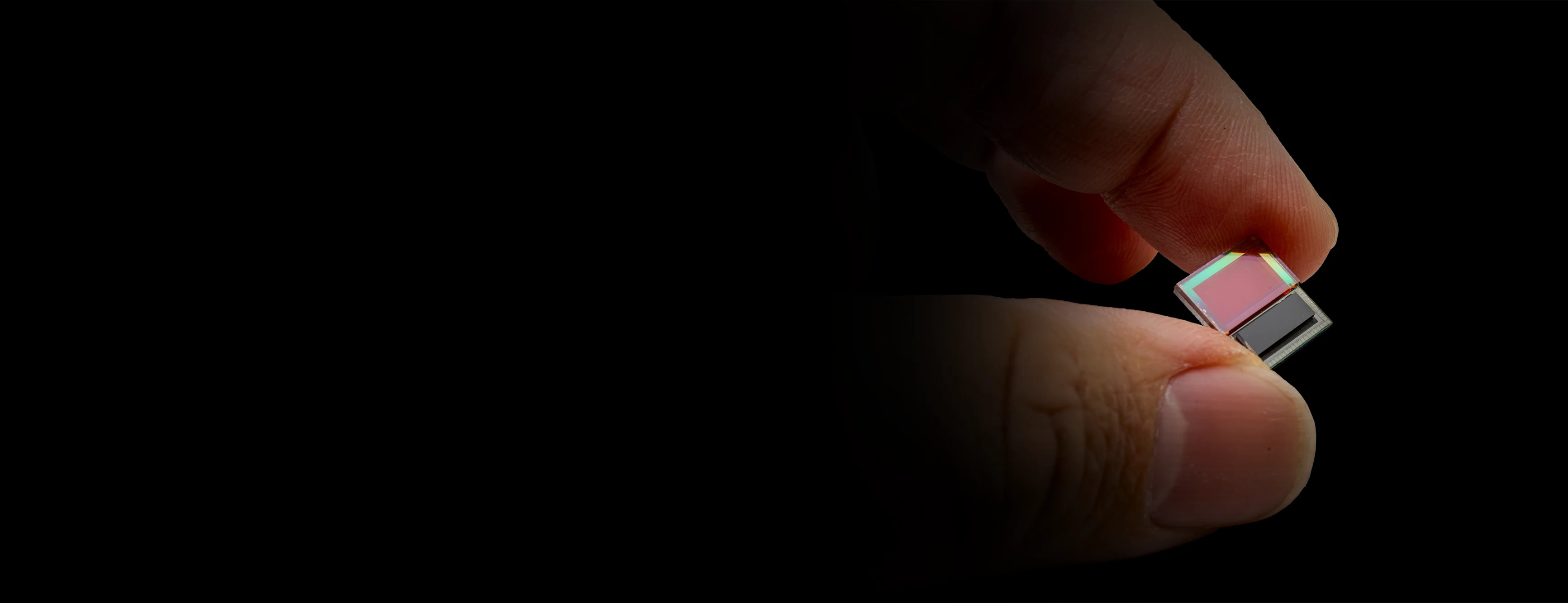
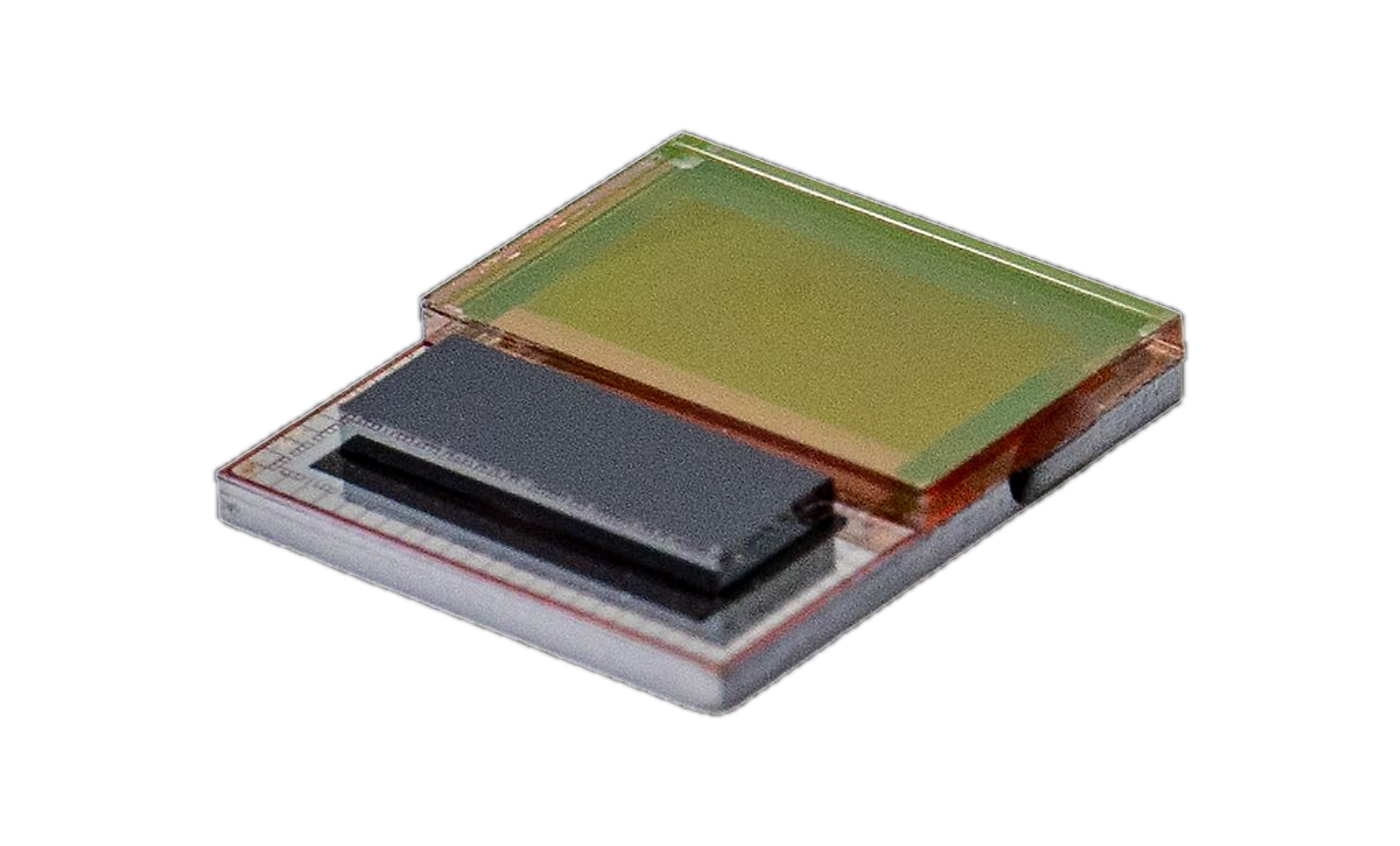
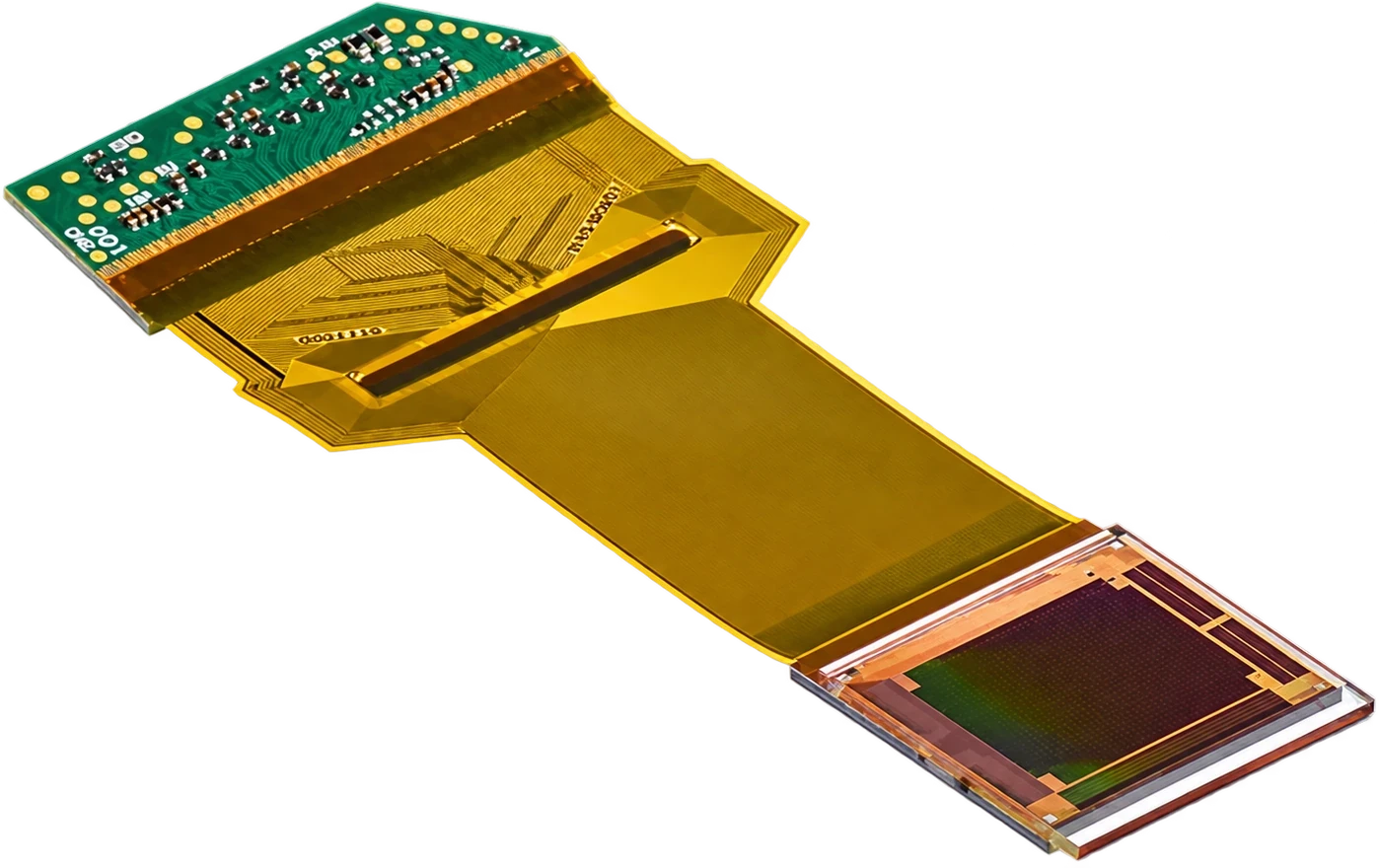
LM10 is the world’s first commercially available optical beamforming semiconductor. LS20, our next-generation system-on-chip, integrates the driver and scan controller into a custom ASIC for lower system cost, smaller size, and finer steering.

Steering
160°
native; >180° with expander
Response
40 µs
any angle
Angular step
Down to 0.1°
LS20
LS20 size
10.8 × 9.9 mm

LM10 and LS20 at a Glance

Gen 1

LM10

Architecture
Beamforming module, external driver and scan controller
Target markets
Industrial, robotics, IoT, smart infrastructure
Lidar range class
Short to mid (10–100 m)
Dimensions
60 × 24 × 3.5 mm
Active optical aperture
11 × 9 mm
Angular step
0.4°
Steering field of view
160° native, >180° with expander
Steering mode
1D, software-definable
Response time
40 µs, any angle
Wavelength
910 nm
Light sources
Edge emitters, VCSELs

Gen 2

LS20

Architecture
System-on-chip with integrated ASIC driver and scan controller
Target markets
Automotive, industrial, robotics, IoT, smart infrastructure
Lidar range class
Short to mid (10–100 m)
Dimensions
10.8 × 9.9 × 1.6 mm
Active optical aperture
5.6 × 4.0 mm
Angular step
0.1°
Steering field of view
160° native, >180° with expander
Steering mode
1D, software-definable
Response time
40 µs, any angle
Wavelength
910 nm
Light sources
Edge emitters, VCSELs

How LCM fits in your lidar

From Fixed Sensors to Programmable Eyes

LCM sits in the transmit path of a time-of-flight lidar. The laser fires into the LCM, which steers the beam through the transmit optics to one region of the scene at a time. The time-of-flight sensor reads out only that region. Software decides the order, the dwell time, and the beam width, every frame.

Software-defined range

Set dwell time per region to reach the range and precision you need.

Software-defined frame rate

Control scan order and revisit critical regions more often.

Software-defined field of view and resolution

Set scan steps, skip angles, and adjust scan range to focus where you need to.

Software-defined beam width

Scan narrow lines or wide ROIs on demand.

Multiple pulses for HDR

A low-power pulse in the same scan keeps bright targets sharp and dark targets visible.

Three Design Choices, Decoupled

In a segmented VCSEL lidar, the emitter array fixes peak power, scan angles, and beam width together. Change one, and you redesign the others. With LCM, each is set on its own.

Segmented VCSEL lidar

Peak power
Tied to segment layout
Scan angles
Fixed by the number of segments
Beam width
Fixed by segment optics

LCM-based lidar

Peak power
Set by the laser
Scan angles
Set by LCM step size, in software
Beam width
Controlled by LCM, per scan

Raise range, resolution, or coverage without trading one against another.

Works with Your Architecture

Lasers

VCSELs and edge emitters.

Wavelengths

905 and 940 nm.

Sensing

iToF and dToF.