
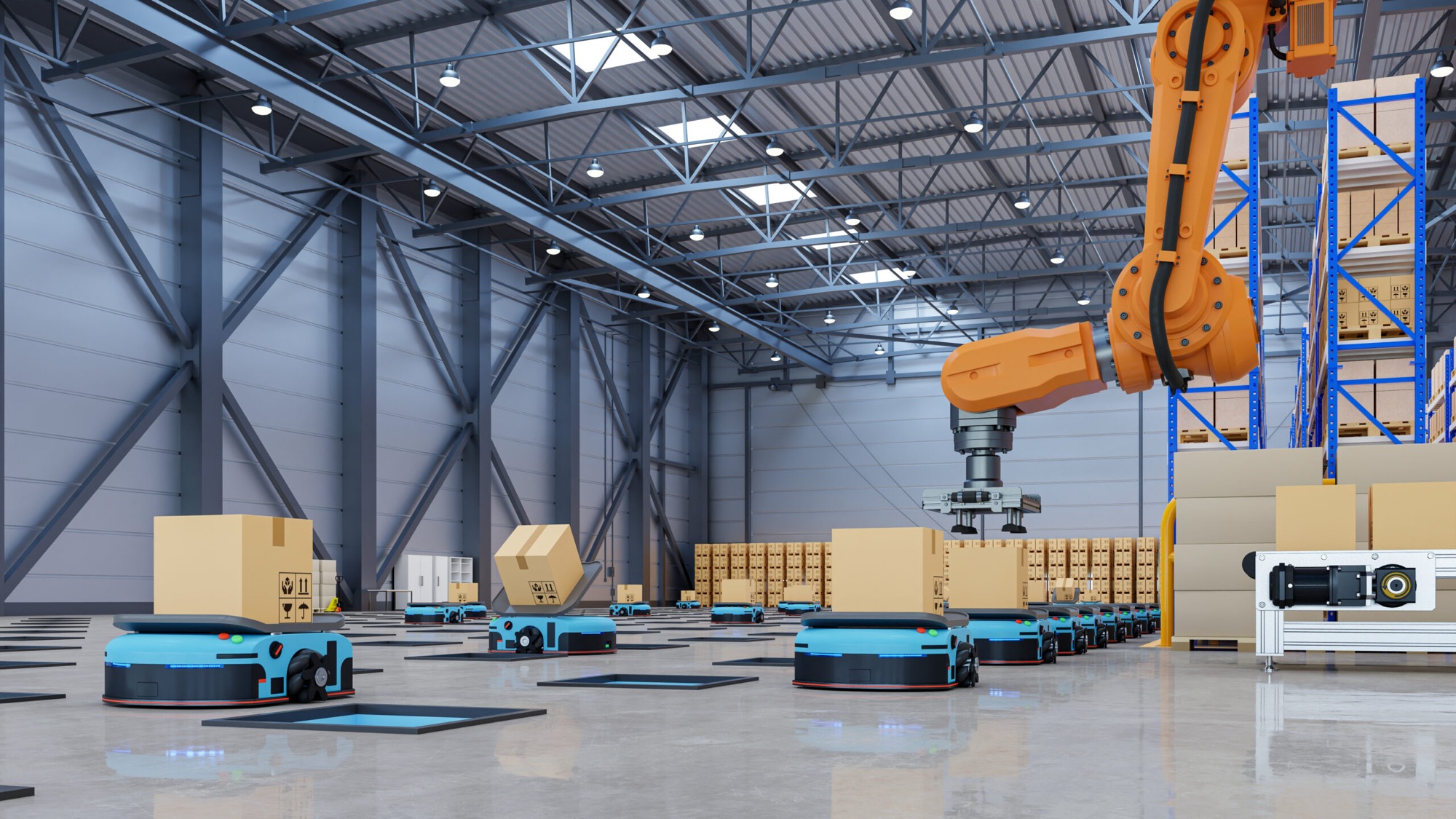
Localization
Long-range center slice for mapping walls and fixtures.
Sense · Robotics
One LCM-based sensor handles localization, obstacle avoidance, and cliff detection at the same time, each configured in software.
Virtual sensors
A typical mobile robot stacks two or three depth sensors per side: one for localization, one for obstacles, one for cliffs. Each adds cost, calibration, power, and another point of failure. LCM interleaves three virtual sensors in a single scan, each with its own field of view, frame rate, and integration time.
Long-range center slice for mapping walls and fixtures.
Low ROI with short integration for ledges and low obstacles.
Full field of view for everything else.
Proof
Software-defined sensing lowers total cost of ownership.
Up to 30 m from iToF.
One sensor instead of two or three.
Less maintenance, more uptime.
Less heat, longer battery life.
Higher speed and throughput.
Work closer to walls, people, and objects.
Safer, more efficient operation.
Closed-loop learning and optimization.
Navigation, docking, and people detection in aisles and open floors.
Wide, adaptive depth for navigation and manipulation in human spaces.
Terrain and obstacle sensing for last-mile and inspection robots.
Pallet, rack, and people detection for autonomous handling.
Lightweight depth for indoor navigation and inspection.
Conveyor tracking, material sorting, and volume measurement.
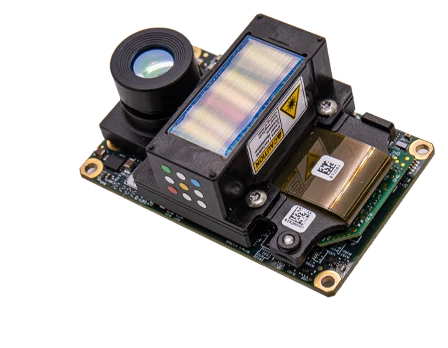
Gpixel iToF receiver
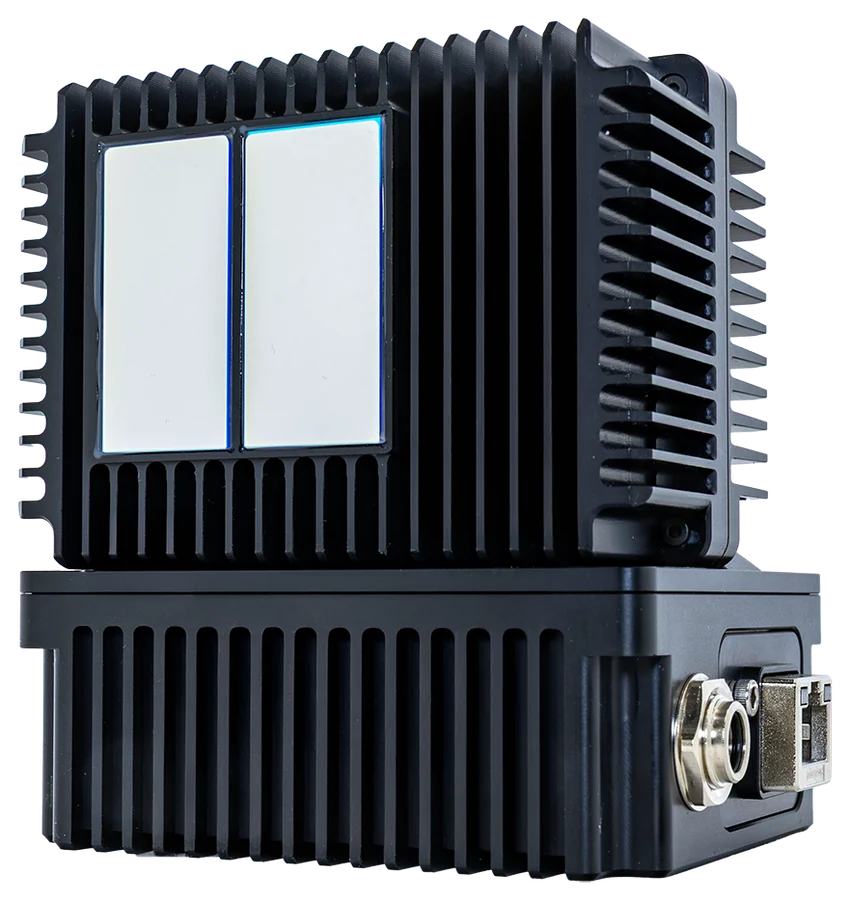
ADAPS dToF receiver
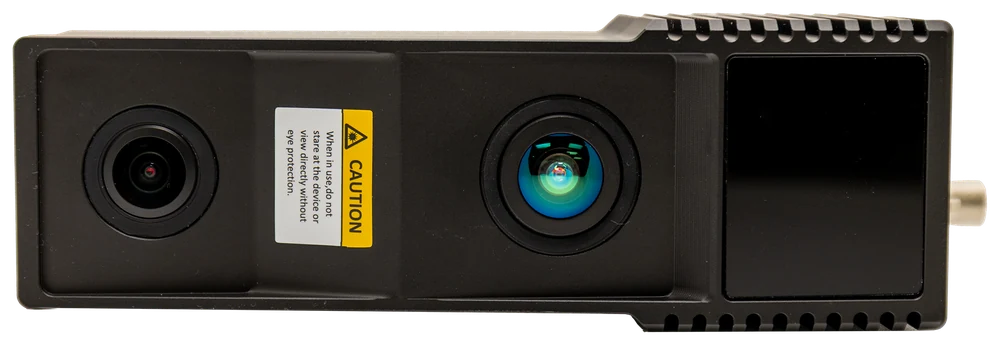
onsemi iToF receiver
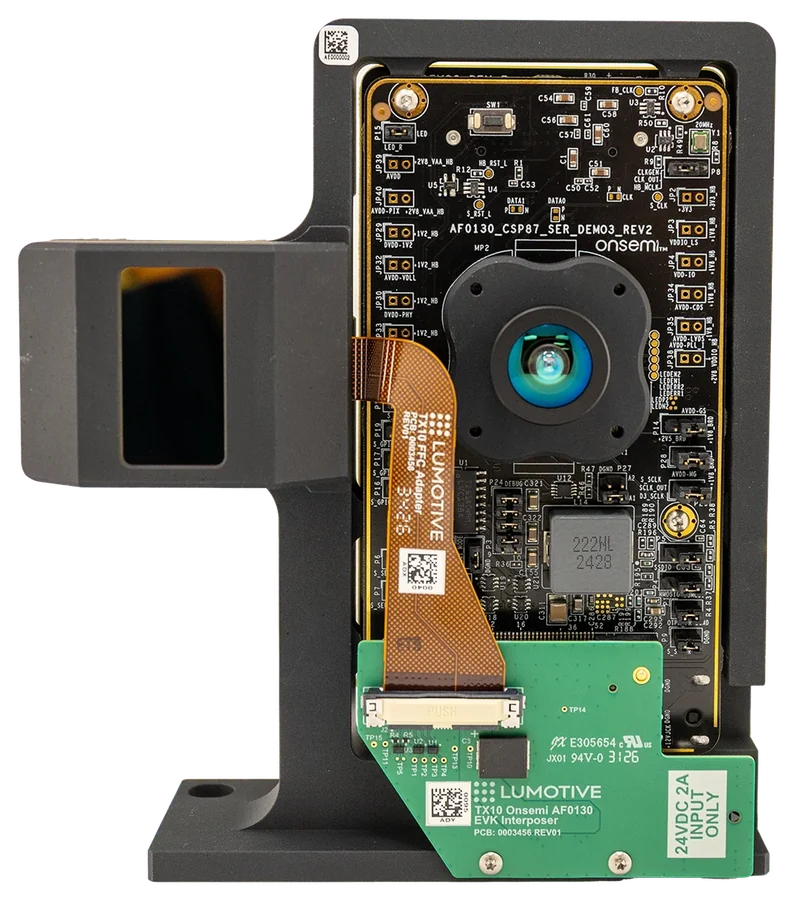
onsemi AF0130 evaluation kit
Need a different range, field of view, or form factor? Build your own sensor on the Lumotive Sense platform, or integrate it directly into your robot.
01
Start with a dev kit.
02
Tune range, field of view, and scan patterns to your robot and its tasks.
03
Place the LCM transmitter and receiver directly on your robot’s compute board or body, with no separate sensor box.
04
Our engineers support your team from evaluation through production design.
Tell us your robot, your sensor stack, and what you want to remove from it.